Navigating Volatility: What’s Happening in International Container Drayage—and How Shippers Can Stay Ahead
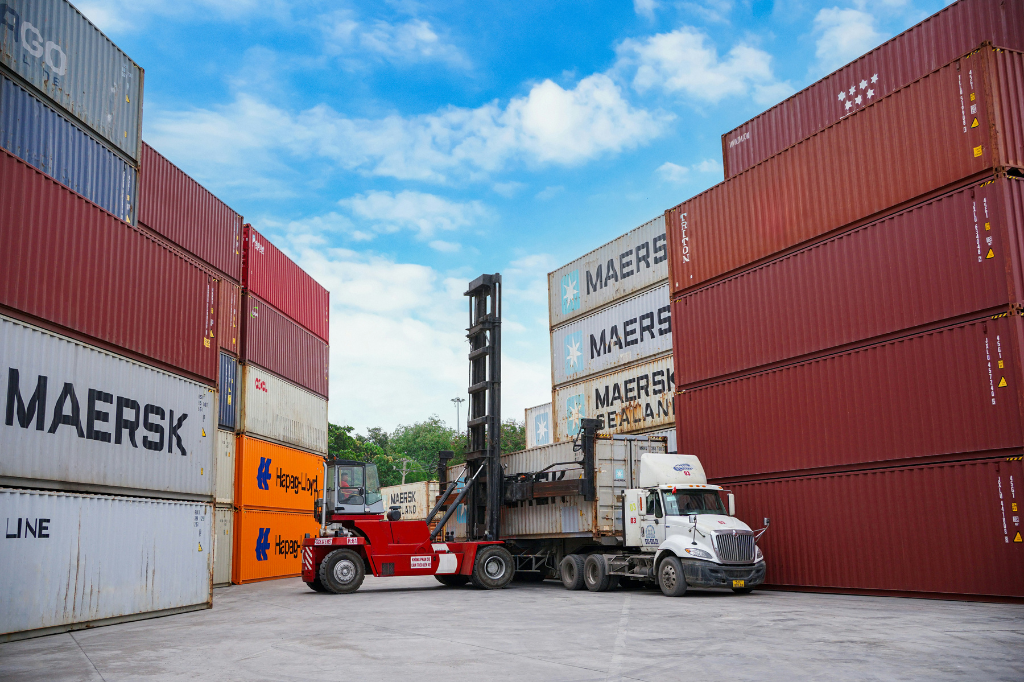
The international container drayage market is once again at the center of global supply chain conversations. A combination of geopolitical uncertainty, shifting trade flows, and tightening capacity is creating a dynamic environment that requires both awareness and adaptability from shippers.
The Current Landscape
Over the past several weeks, global events, particularly unrest in the Middle East—have begun to ripple through the logistics ecosystem. Rising fuel prices have been one of the most immediate and visible impacts. The U.S. Department of Energy has reported sharp increases in diesel costs, putting pressure on transportation providers and, ultimately, landed costs for importers and exporters.
At the same time, ocean carrier schedule reliability remains inconsistent, leading to bunching of vessel arrivals at key ports. This creates intermittent surges in drayage demand, followed by short periods of softness. The result is a market that can feel unpredictable day-to-day, even when overall volumes appear steady.
In key gateway markets like Houston and Savannah, we’re also seeing a divergence in freight mix. Traditional import commodities are holding relatively stable, while export-driven segments, such as resin, have softened. This imbalance is creating localized capacity challenges, especially for shippers that rely on consistent drayage availability.
What This Means for Shippers
For shippers, the implications are clear:
Cost volatility is back. Fuel-driven rate adjustments are happening faster and more frequently than many annual contracts anticipated.
Capacity is uneven. Availability can change quickly depending on vessel bunching, terminal congestion, and regional freight imbalances.
Communication matters more than ever. Real-time updates and proactive coordination are critical to avoiding delays and unexpected costs.
In this environment, relying on static pricing models or transactional relationships can expose supply chains to unnecessary risk.
A Smarter Approach to Drayage
This is where a more flexible, asset-light model becomes increasingly valuable.
OptiX was built with this exact type of market in mind. By combining a curated network of owner-operators and fleet partners with a technology-enabled operating model, OptiX provides the agility needed to navigate changing conditions without sacrificing service reliability.
Rather than forcing a one-size-fits-all approach, OptiX works with customers to align pricing structures and capacity strategies to current market realities. Whether that means implementing dynamic fuel tables, supporting overflow volumes during peak congestion, or designing scalable solutions for new lanes, the focus remains on partnership and performance.
Why It Matters Now
In periods of stability, execution is important. In periods of volatility, execution and adaptability become the differentiators.
Shippers that are able to:
Adjust quickly to fuel and market changes
Secure reliable drayage capacity during demand spikes
Maintain clear and consistent communication across stakeholders
…will be the ones that protect both service levels and margins.
Looking Ahead
While no one can predict exactly how global events will unfold, one thing is certain: the drayage market will continue to reflect those shifts in real time.
The companies that succeed won’t be the ones trying to outguess the market, they’ll be the ones positioned to respond to it.
At OptiX, that’s exactly what we’re focused on, helping our partners stay ahead, no matter what the market brings next.

Leave a Reply